
Restores thermal performance
Compressed or thin batts no longer trap still air effectively. Removing them lets new insulation achieve its rated R-value, cutting heat loss through the ceiling by up to 40 percent in winter.
Doncaster
Old, compressed or damaged insulation in your roof space reduces thermal performance and can harbour dust, moisture or pests. We safely remove it in Doncaster so new batts can do their job properly.
Share your details and Expert Insulation Melbourne will contact you about Insulation Removal in Doncaster.
Insulation removal is needed when batts are compressed, wet, mouldy or infested with rodents. It is also required before topping up thin layers or switching to a higher R-value. In Doncaster’s older brick veneer and weatherboard homes, decades-old glasswool often settles, leaving gaps that let winter heat escape and summer heat in.
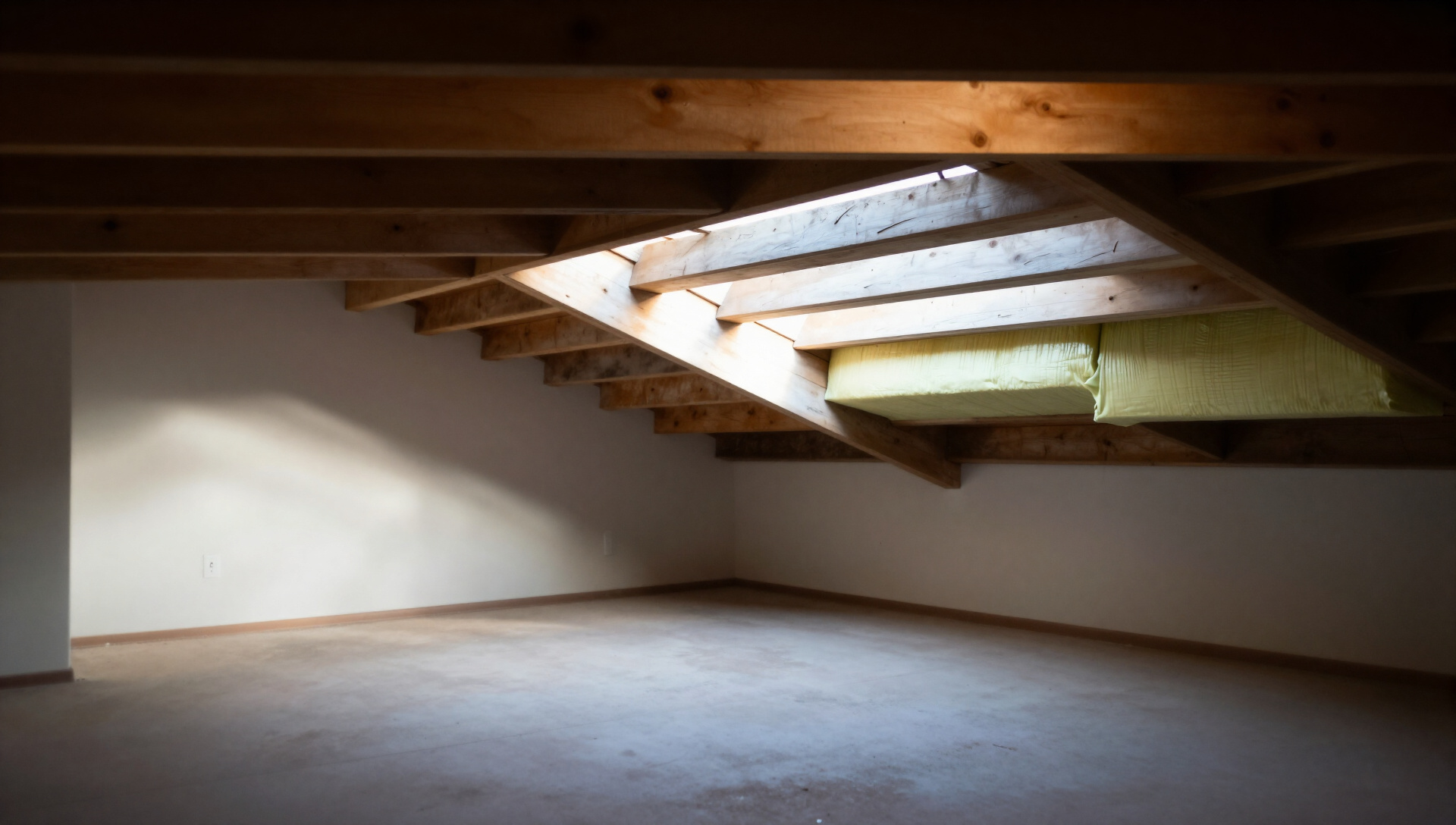
Clearing out degraded insulation improves thermal resistance and indoor air quality. In Doncaster, where many homes were built in the 1960s to 1990s, this step is often the difference between a cold winter and a comfortable one.
Compressed or thin batts no longer trap still air effectively. Removing them lets new insulation achieve its rated R-value, cutting heat loss through the ceiling by up to 40 percent in winter.
Years of ceiling dust, rodent droppings and fibres accumulate in old insulation. Vacuum extraction removes this debris, improving air quality and reducing irritants circulating through vents and downlights.
Wet or mouldy batts lose their insulating ability and can damage ceiling plaster. Removing them stops moisture spreading and allows the roof space to dry before new material goes in.
Many Doncaster homes have only R1.5 to R2.0 in the ceiling. Removing the old layer provides the depth needed for modern R4.0 to R6.0 batts, which better handle Melbourne’s temperature swings.
Rodents nest in old glasswool and polyester, chewing cables and leaving droppings. Full removal and cleanup deters them from returning once new insulation is installed.
Whether you are topping up or replacing, a clean roof space ensures new batts sit flush between joists with no gaps. This maximises coverage and prevents thermal bridging around timbers.
We follow a systematic approach to clear your roof space safely and efficiently. Access, extraction and disposal are all handled on the same day, with minimal disruption to your home.
We check the condition of existing batts, look for signs of moisture, pests or asbestos-like materials, and assess access via the manhole. If asbestos is suspected, work stops until a qualified assessor inspects it.
Plastic sheeting is laid from the manhole to the removal point to contain dust and fibres. We use industrial vacuums with HEPA filters to capture fine particles as we work.
Old batts are carefully pulled from between joists and placed into sealed bags for disposal. Loose material and dust are vacuumed from the entire roof space, including around cables and downlights.
Once all insulation and debris are removed, we do a final vacuum pass and wipe down surfaces if needed. The space is left clean and ready for new batts or sarking to be installed.
Doncaster’s mix of 1960s brick veneer and newer estates means many roofs still contain original glasswool that has settled over time. Hot northerly winds and cold winters make effective ceiling insulation critical, and removal is often the first step to fixing a draughty or hard-to-heat home. We work across Doncaster and nearby Box Hill and Templestowe, ensuring the roof space is cleared properly before any new material is laid.
Safe removal of old, damaged or compressed insulation from Doncaster homes to prepare for upgrades.
Common questions about clearing old insulation from Doncaster homes, from cost factors to asbestos checks.
If your Doncaster home feels colder in winter or hotter in summer than it should, the ceiling insulation may be past its useful life. Over decades, glasswool and polyester batts compress under their own weight, leaving gaps between the fibres that let air move freely. In a typical brick veneer house, this can mean up to 35 percent of heating and cooling energy is lost through the roof space. Removing the old layer and replacing it with fresh, high-R-value batts restores thermal resistance and reduces energy bills.
Signs you need insulation removal in Doncaster include visible sagging between joists, a musty smell from the manhole, or finding rodent nests when you check the roof space. Dust falling through downlights or ceiling cornices is another indicator that the material has broken down. In older homes, the original batts may also be too thin for modern standards, with R-values as low as R1.5 where R4.0 or higher is now common for ceilings.
The removal process in Doncaster typically takes half a day for an average three-bedroom home, depending on access and the amount of material to clear. Costs vary with roof pitch, the presence of old loose-fill fibres, and whether asbestos assessment is required. Once the space is empty, we can install new bulk insulation or reflective sarking to suit your budget and performance needs.
Old insulation reduces comfort and air quality. We remove it safely so your new ceiling insulation can perform at its best.