
Lower cooling costs
By reflecting radiant heat before it enters the roof space, you reduce the load on air conditioners and fans. This can lead to noticeable savings on energy bills during Melbourne’s hottest months.
Doncaster Roof Insulation
Expert Insulation Melbourne installs foil sarking and reflective roof insulation in Doncaster to block radiant heat before it enters your home.
Share your details and Expert Insulation Melbourne will contact you about Roof Insulation in Doncaster.
Roof insulation is installed at the roofline under tiles or metal sheeting to reflect radiant heat away from your home. In Doncaster’s hot summers, this stops heat building up in the roof space and pushing through the ceiling into living areas. We use reflective foil laminates like sisalation, which require an air gap to work effectively. This approach is ideal for homes with raked or cathedral ceilings where there is no traditional ceiling space for batts.
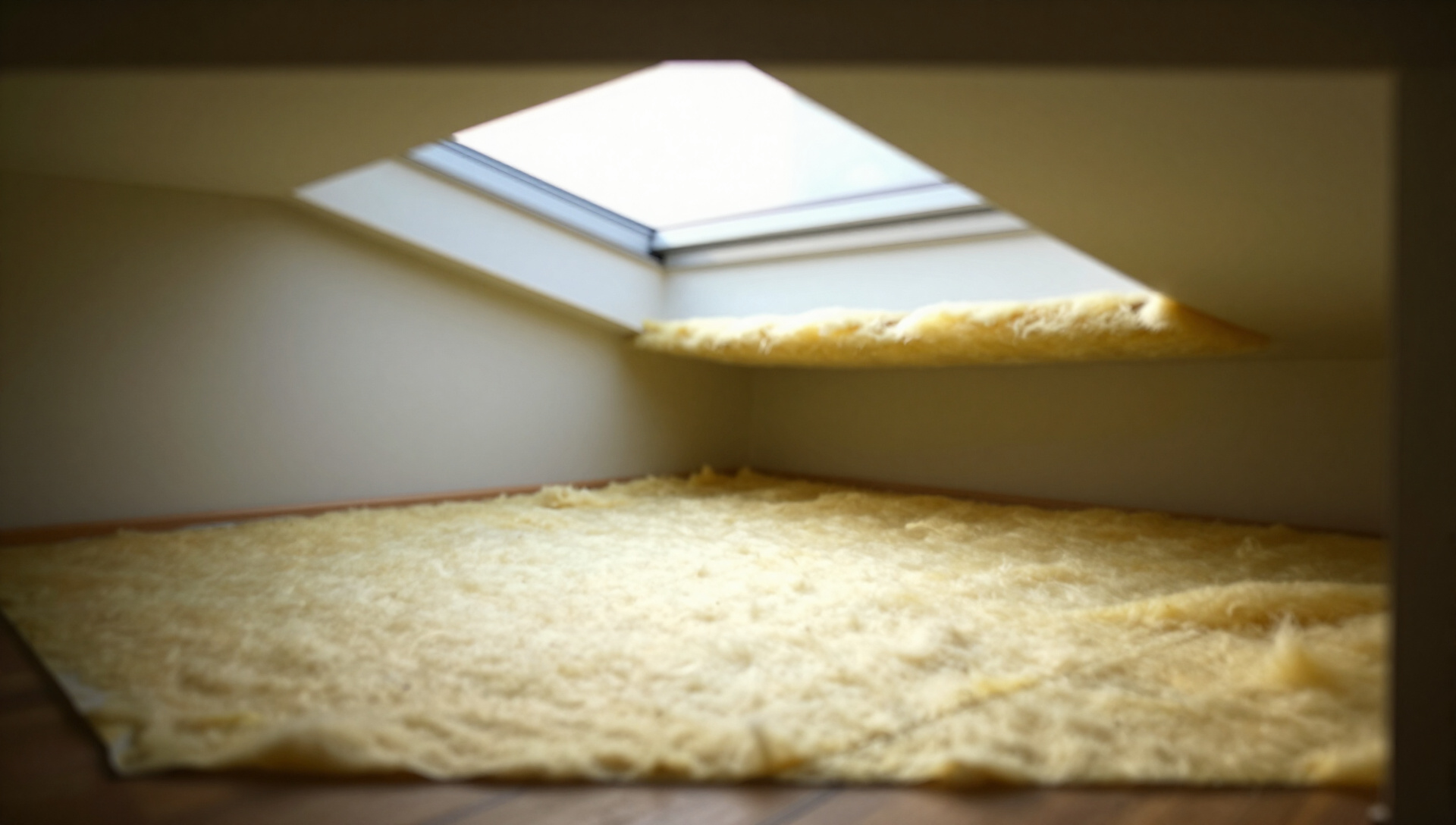
Doncaster’s hot northerly winds and summer heatwaves make roof insulation a smart upgrade. Without it, dark roofing absorbs heat that radiates down into the house, forcing cooling systems to work harder. Reflective roof insulation addresses this by stopping heat at the source.
By reflecting radiant heat before it enters the roof space, you reduce the load on air conditioners and fans. This can lead to noticeable savings on energy bills during Melbourne’s hottest months.
Foil sarking helps stabilise temperatures inside the home, reducing hot spots near the ceiling and making living areas more comfortable without constant cooling.
Insulation at the roofline also protects stored items in the roof space from extreme heat, which can degrade materials over time.
Roof insulation complements ceiling batts by addressing radiant heat, while bulk insulation in the ceiling handles conductive and convective heat loss.
Some reflective foils, like sisalation, include a vapour barrier layer that helps manage condensation and keeps ceiling dust from entering the living space.
Reflective foil insulation does not compress or degrade over time like some bulk materials, provided it is installed correctly with the required air gap.
Installing roof insulation requires careful planning to ensure the foil is positioned correctly and maintains an air gap. Our team follows a structured process to achieve the best thermal performance for your Doncaster home.
We assess the roof structure, pitch and existing materials to confirm suitability for foil sarking. Access via the roof cavity or from above is determined based on the home’s design.
Reflective foil is measured and cut to fit between rafters or under the roofing material. Overlaps are sealed with foil tape to maintain continuity and prevent heat leakage.
The foil is stapled or fixed to the rafters or roof framing, ensuring it does not touch the roofing material or ceiling lining. This air gap is critical for the insulation to reflect heat effectively.
All edges, joins and penetrations such as vents, flues or cables are sealed to prevent heat bypass. This ensures the reflective barrier works as a complete system.
Doncaster’s mix of older weatherboard homes and newer brick veneer properties often have roof spaces that benefit from reflective insulation. Many houses in the area were built before modern thermal standards, making them prone to summer heat gain through uninsulated roofs. Foil sarking is particularly effective for homes near the Eastern Freeway, where exposure to hot northerly winds increases the need for heat reflection.
We install reflective foil sarking under roofs in Doncaster to block radiant heat and reduce cooling costs.
Homeowners in Doncaster often ask about the practicalities of roof insulation, from suitability to installation and performance. Here are answers to the most common questions.
Roof insulation in Doncaster targets the primary source of summer heat gain in homes: the roof itself. Without a reflective barrier, dark roofing materials absorb sunlight and transfer heat into the roof space, which then radiates downward into living areas. Reflective foil sarking installed under the roofing or over the rafters blocks up to 97% of this radiant heat, significantly reducing the need for air conditioning.
In Doncaster, where many homes have pitched roofs with accessible roof spaces, foil insulation can be retrofitted without major structural changes. It is also a standard inclusion in new builds, where it is laid directly under the roofing material during construction. The key to its effectiveness is maintaining an air gap between the foil and the roofing, which allows the material to reflect heat rather than absorb it.
For homes with cathedral or raked ceilings, roof insulation is often the only viable option, as there is no ceiling space to install batts. In these cases, foil laminates are fixed directly to the underside of the roof framing. This approach not only improves thermal comfort but also helps manage condensation by providing a vapour barrier, which is particularly useful in Melbourne’s humid summers.
Reduce summer heat gain and cooling costs with reflective roof insulation installed by Expert Insulation Melbourne. We service Doncaster and surrounding suburbs.