
Warmer floors in winter
Insulation under the floor stops cold air rising through gaps in the timber, making floorboards noticeably warmer to walk on. This is a common issue in Doncaster’s older homes with suspended floors.
Doncaster
Underfloor insulation installed under suspended timber floors in Doncaster stops cold air rising through floorboards and cuts heating costs. We work in the subfloor space to fit batts or reflective foil between joists, sealing gaps to keep your home warmer in winter.
Share your details and Expert Insulation Melbourne will contact you about Underfloor Insulation in Doncaster.
Underfloor insulation is installed beneath suspended timber floors to block cold air and draughts rising through the floorboards. In Doncaster homes with a crawl space under the floor, we fit bulk insulation batts or reflective foil between the joists to improve thermal resistance and reduce heat loss. This is especially effective for older weatherboard and brick veneer houses common in the area.
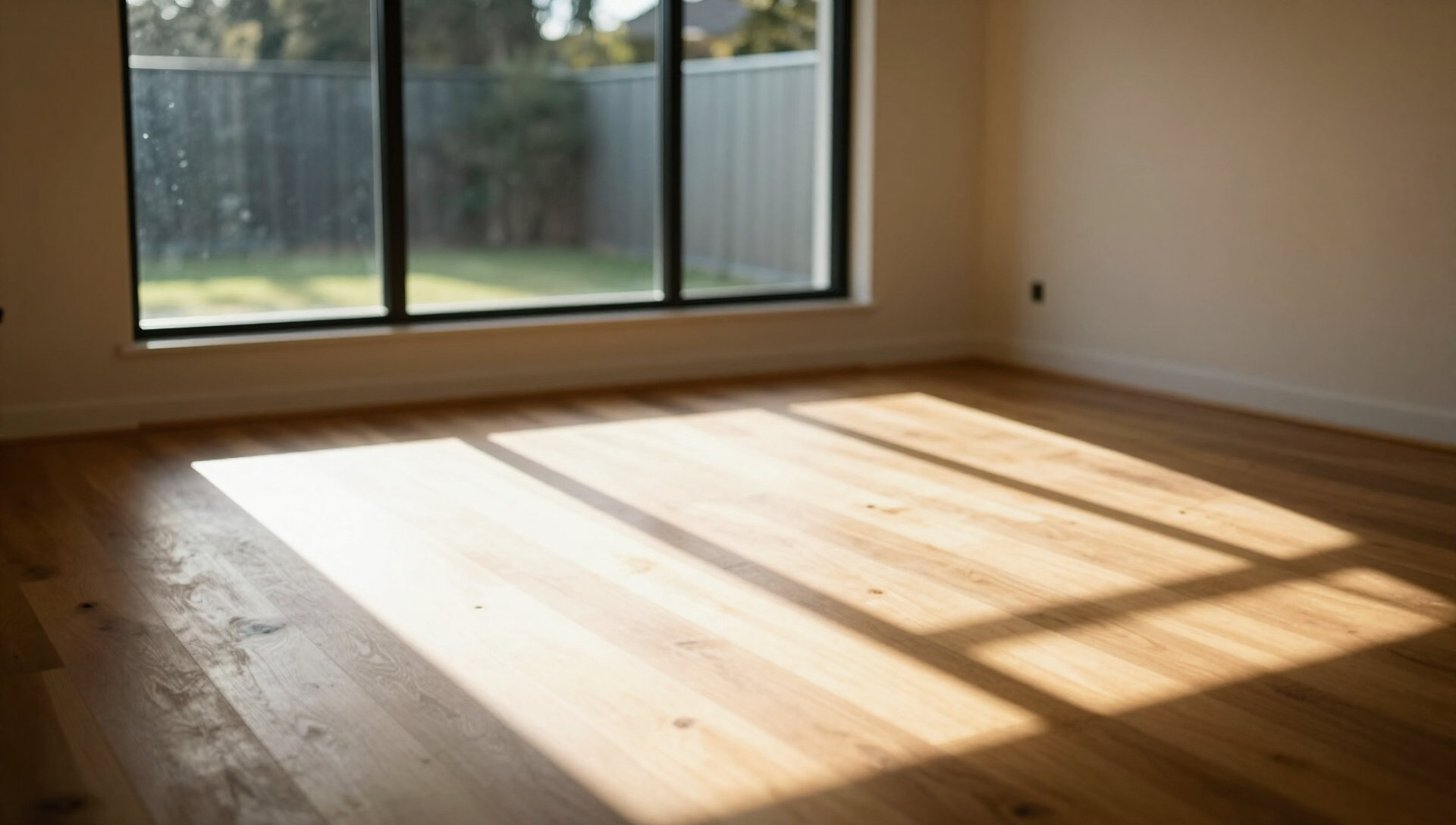
Doncaster’s cold winters make uninsulated timber floors a major source of heat loss and discomfort. Underfloor insulation addresses this by creating a thermal barrier that keeps the warmth in and the cold out.
Insulation under the floor stops cold air rising through gaps in the timber, making floorboards noticeably warmer to walk on. This is a common issue in Doncaster’s older homes with suspended floors.
By cutting heat loss through the floor, your heater runs less often to maintain a comfortable temperature. This can lead to lower energy bills, especially during Melbourne’s coldest months.
Sealing gaps in the subfloor while installing insulation also blocks draughts and dust from entering the home. This improves indoor air quality and comfort.
Properly installed underfloor insulation helps manage moisture in the subfloor space, reducing the risk of dampness and mould under the house.
Bulk insulation batts also absorb sound, reducing noise from outside or between floors in multi-level homes.
Quality batts or foil installed correctly will maintain their R-value and effectiveness for decades, provided they stay dry and undamaged.
Installing underfloor insulation requires access to the subfloor, which is typically through a hatch or by lifting sections of flooring. The process is straightforward but must be done carefully to ensure full coverage and no gaps.
We start by inspecting the subfloor space to check for existing insulation, moisture issues or pest damage. Access is usually via an existing hatch or by temporarily removing a section of flooring or skirting board.
The subfloor area is measured to determine the amount of insulation needed. We also check for electrical cables, plumbing or other obstructions that need to be worked around.
Bulk insulation batts are cut to size and friction-fitted between the floor joists. For reflective foil, we ensure an air gap is maintained for it to work effectively. All gaps around pipes and services are sealed.
Once installed, we check for any missed spots or compression in the batts. The access point is then secured, and any removed flooring or skirting is reinstated.
Doncaster has many older weatherboard and brick veneer homes with suspended timber floors, which are ideal candidates for underfloor insulation. These homes often suffer from cold floors and draughts, especially in winter. Installing insulation in the subfloor space is a practical way to improve comfort and energy efficiency without major renovations.
Stop cold floors and draughts with underfloor insulation installed under suspended timber floors in Doncaster.
Homeowners in Doncaster often have questions about underfloor insulation, from cost factors to whether it’s worth it for their home. Here are the most common queries we answer.
Underfloor insulation in Doncaster is a cost-effective way to improve thermal comfort in homes with suspended timber floors. By installing bulk insulation batts or reflective foil between the floor joists in the subfloor space, you can stop cold air rising through the floorboards and reduce heat loss in winter. This is particularly beneficial for Doncaster’s older weatherboard and brick veneer homes, which often lack any insulation under the floor.
The process involves accessing the subfloor, usually through a hatch or by lifting a section of flooring. We then measure the area and fit insulation batts between the joists, ensuring a snug fit with no gaps. Reflective foil can also be used, but it requires an air gap to be effective. All gaps around pipes and services are sealed to prevent draughts. The typical R-value for underfloor insulation ranges from R1.5 to R2.5, depending on the product and the space available.
Signs your Doncaster home needs underfloor insulation include cold floors in winter, noticeable draughts coming up through the floorboards, and high heating bills. If your home has a suspended timber floor and no existing insulation, installing underfloor insulation can make a significant difference to comfort and energy efficiency. It’s also a good opportunity to check for moisture or pest issues in the subfloor space.
If your Doncaster home has cold floors or draughts, underfloor insulation can make a real difference. Call Expert Insulation Melbourne on 0399695249 or email info@expertinsulationmelbourne. com. au to discuss your options.