
Lower heating and cooling costs
Insulated walls reduce the rate of heat flow, so your heater and air conditioner run less often. This directly cuts energy use and power bills in Doncaster’s climate of cold winters and hot summers.
Doncaster Wall Insulation
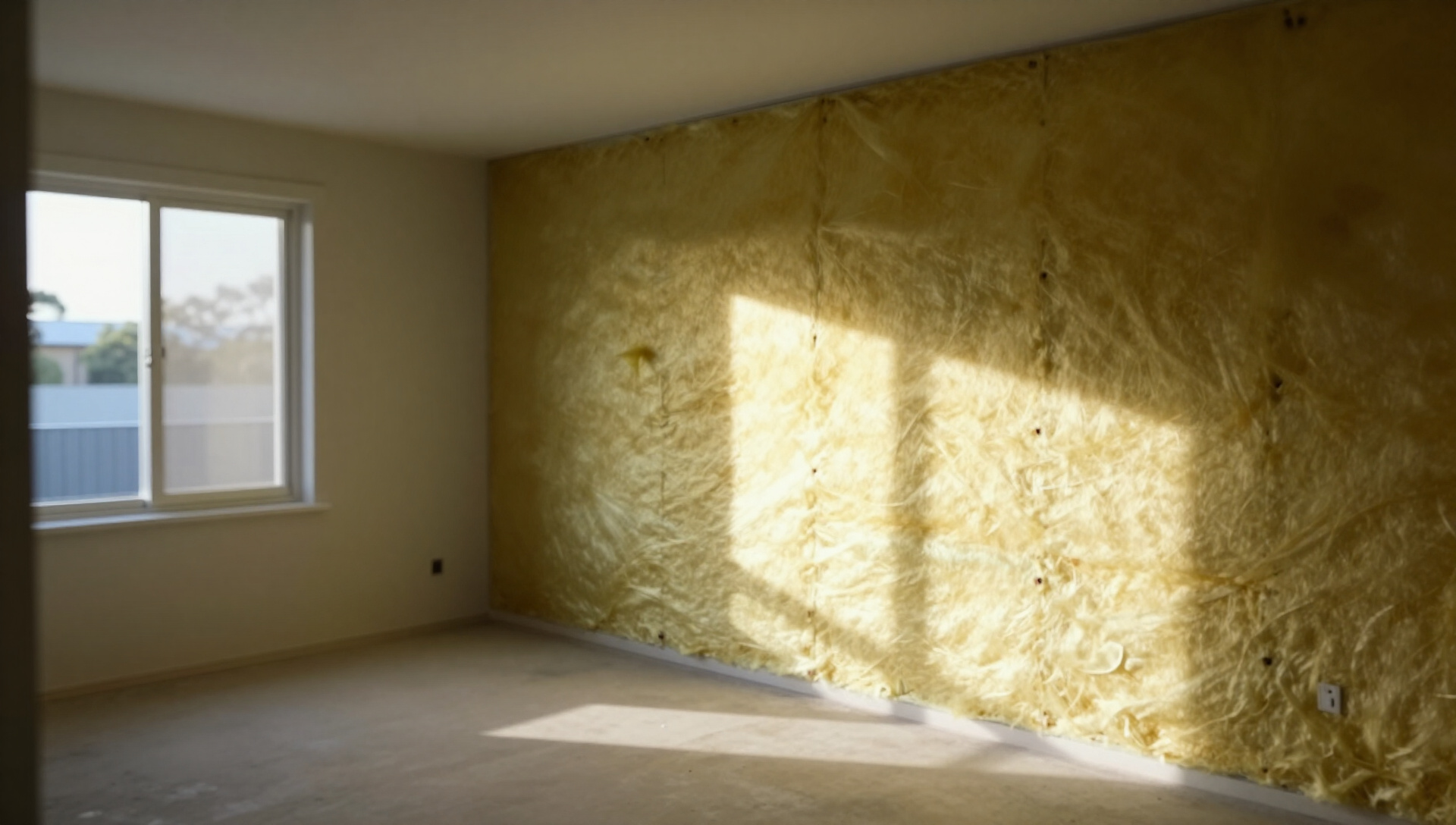
Wall insulation installed in Doncaster homes to cut winter heat loss and summer heat gain. We fit batts into open stud frames during renovations or new builds for better thermal resistance and lower energy costs.
Share your details and Expert Insulation Melbourne will contact you about Wall Insulation in Doncaster.
Wall insulation in Doncaster is fitted into the stud cavities of timber or steel framed walls to slow heat transfer through the building envelope. It is most practical when walls are open during renovations, extensions or new construction. Glasswool, polyester and rockwool batts are the common bulk insulation choices, with typical R-values from R2. 0 to R2.
Doncaster’s mix of older brick veneer homes and newer builds benefits from wall insulation to stabilise indoor temperatures. Without it, heat escapes through uninsulated cavities in winter and radiant heat enters in summer, forcing heating and cooling systems to work harder.
Insulated walls reduce the rate of heat flow, so your heater and air conditioner run less often. This directly cuts energy use and power bills in Doncaster’s climate of cold winters and hot summers.
Bulk insulation traps still air in the wall cavity, slowing heat transfer. Rooms stay warmer in winter and cooler in summer, with fewer cold spots near external walls.
Properly installed wall batts help keep internal wall surfaces closer to room temperature, which reduces the chance of condensation forming on cold walls in Doncaster homes.
Acoustic batts in internal walls absorb sound, making living spaces quieter. This is useful in Doncaster homes with open-plan layouts or shared walls.
Glasswool and rockwool batts are non-combustible, adding a fire-resistant barrier within wall cavities without sacrificing thermal performance.
Bulk insulation does not settle or degrade over time if installed correctly. It maintains its R-value and thermal resistance for the life of the building.
Wall insulation is fitted before the wall linings go on, so timing is critical. We work with builders and homeowners to ensure the job is done right the first time, with no gaps or compression that would reduce performance.
We check the wall framing to confirm stud spacing, cavity depth and any services in the walls. This determines the correct batt size and R-value for your Doncaster home.
Batts are cut to fit snugly between studs without being compressed. We leave no gaps around edges or at the top and bottom plates to prevent thermal bridging.
Each batt is friction-fit between the studs, starting from the bottom and working up. We ensure full contact with the stud faces and no voids that would let air move through.
Once all batts are in, we check for any gaps or loose sections. The wall lining can then be installed, with no need for additional fixing of the insulation.
Doncaster has a high proportion of brick veneer and timber-framed homes built from the 1950s onwards. Many of these were constructed without wall insulation, leading to poor thermal performance. Modern renovations and extensions in Doncaster often include wall insulation to meet current comfort standards and reduce energy use.
Wall insulation installed in Doncaster homes during renovations or new builds to improve thermal comfort.
Common questions about wall insulation in Doncaster homes, from timing and access to R-values and suitability for different wall types.
Wall insulation in Doncaster is a cost-effective way to improve the thermal performance of brick veneer, timber-framed and weatherboard homes. By fitting bulk batts into the wall cavity during construction or renovation, you reduce heat loss in winter and heat gain in summer, leading to lower energy bills and a more comfortable home year-round.
For Doncaster properties, glasswool, polyester and rockwool batts are the most common choices. These materials trap still air to provide thermal resistance, with typical R-values of R2.0 to R2.7 for external walls. Acoustic batts can also be used in internal walls to reduce noise transfer between rooms, which is particularly useful in open-plan homes.
The best time to install wall insulation is when the walls are open, such as during a renovation, extension or new build. In existing Doncaster homes with closed walls, cavity wall insulation may be an option for brick veneer construction, but this requires a suitability assessment. Always ensure old insulation is checked for asbestos before any work begins.
Improve your home’s thermal performance with wall insulation installed by Expert Insulation Melbourne. We work across Doncaster and can advise on the best R-value and material for your project.